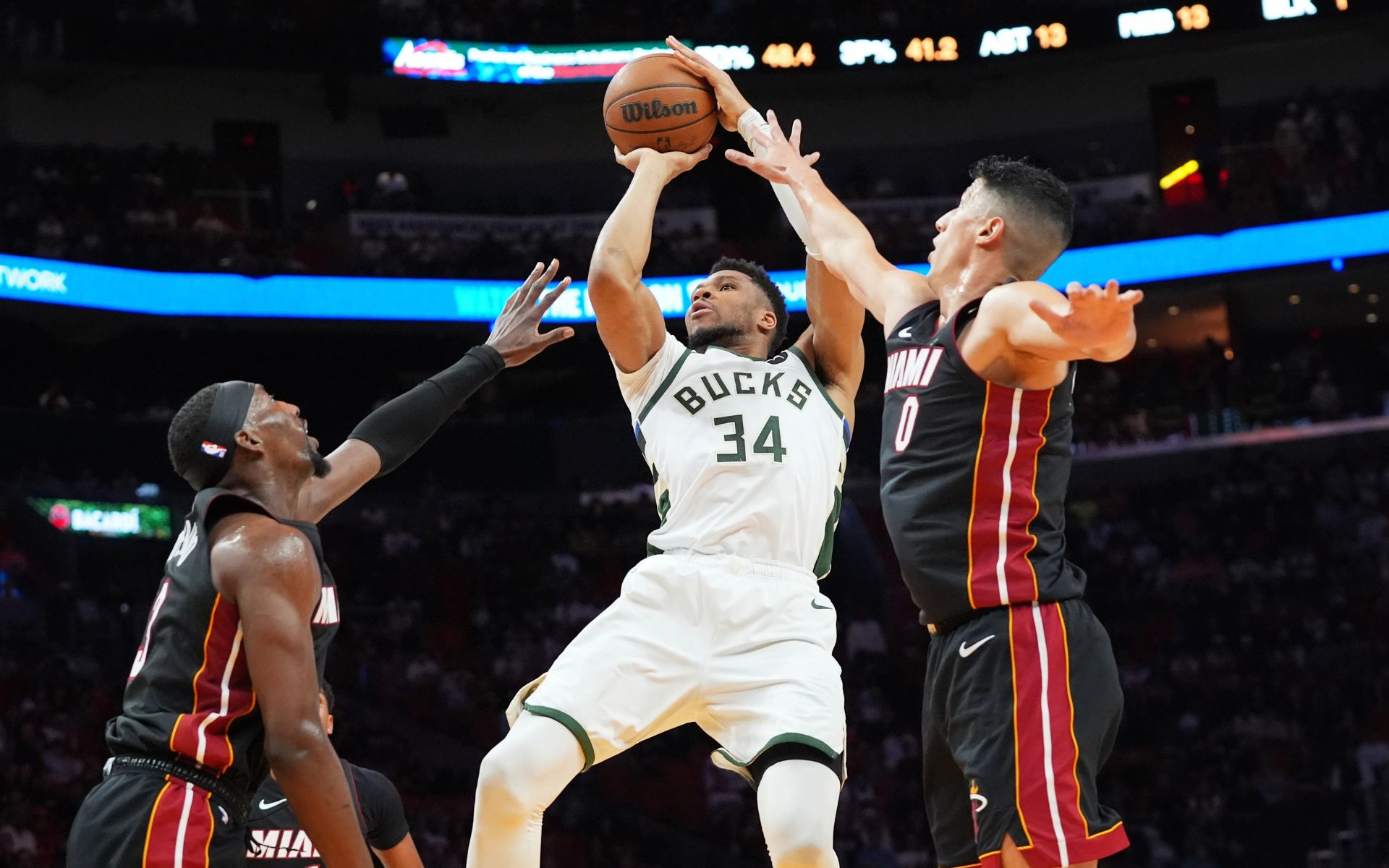
Shai Gilgeous-Alexander, Nikola Jokic, Joel Embiid, Giannis Antetokounmpo. These are names every NBA fan recognises. All have been MVP winners since the 2018–19 season, and each comes from a different country outside the United States. Including Canada, Serbia, Cameroon, and Greece, demonstrating just how international basketball has become.
Basketball’s growth in Europe can be traced back to the 1992 Olympics in Barcelona, when NBA players were finally allowed to compete. The US’ “Dream Team,” featuring Michael Jordan, Magic Johnson, Larry Bird, and Charles Barkley, captivated audiences worldwide. In the UK, older fans still remember watching those games on Channel 4, mesmerised by the talent on display. In the 1991–92 NBA season, there were only nine European players; by 2012, that number had risen to 38, showing how quickly the sport was spreading across the continent.
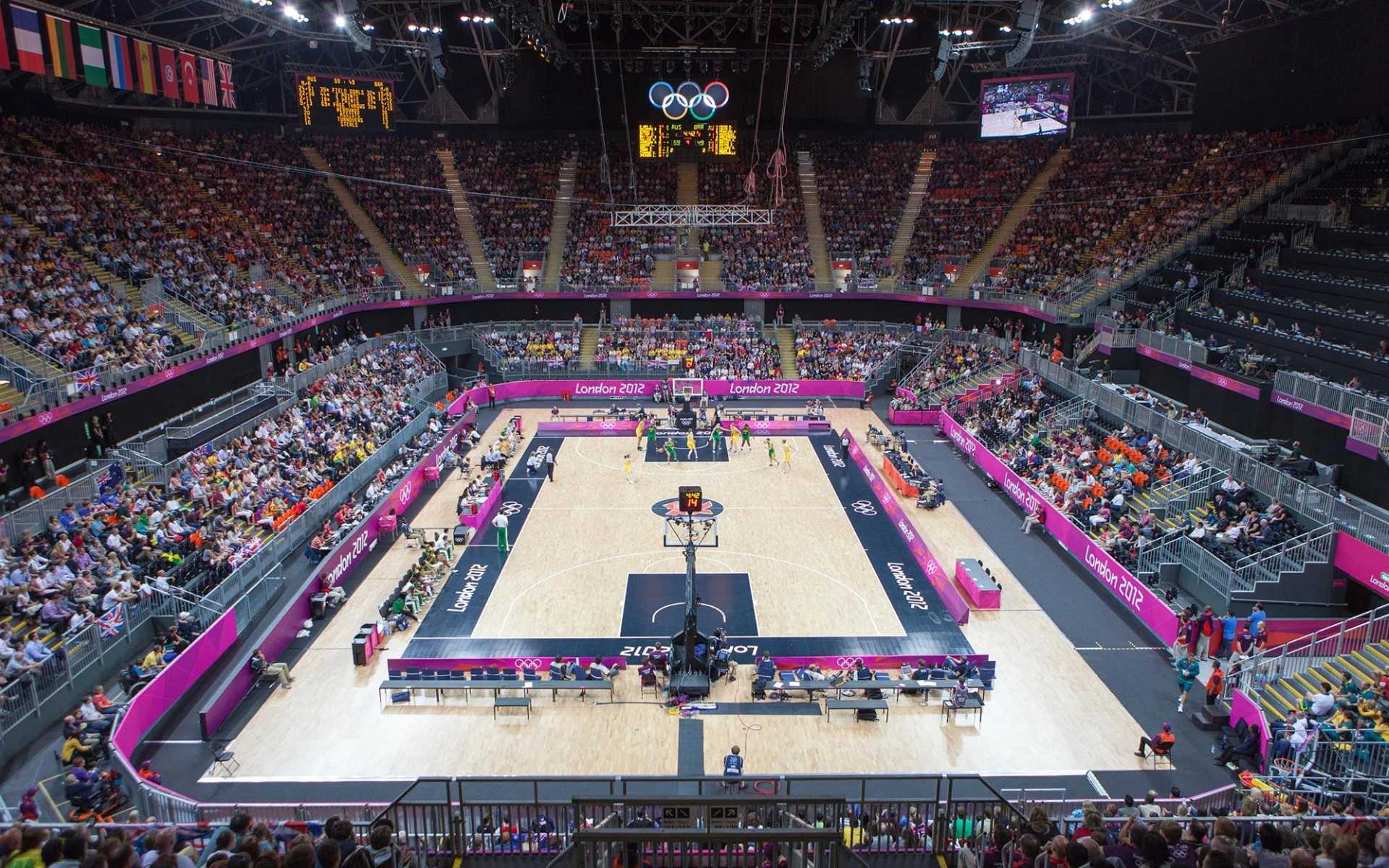
The London 2012 Olympics seemed poised to spark a similar surge in Britain. Fans flocked to the games, and optimism was high. A 2011 Hoopsfix poll found that 57% of respondents believed the Olympics would make a difference for basketball in the UK. But that hope proved overly optimistic. The British team qualified only as hosts, a situation mirrored in 1948, and several key players were unavailable for tournaments, highlighting the fragile foundation of the program.
At the heart of Britain’s best basketball narrative was Luol Deng. Born in South Sudan, Deng moved to Brixton, South London, as a child, became a British citizen in 2006, and represented the nation internationally. A two-time NBA All-Star, he led Britain from EuroBasket Division B to Division A, allowing the country to host competitive tournaments in 2009 and 2011. Deng championed British basketball, but even his influence could not overcome structural problems, including coaching dominated by non-British staff and minimal investment in player development.
After the Olympics, the Olympic Park basketball venue was dismantled, and momentum stalled. Britain qualified for EuroBasket 2013, but Deng and other key players, including Pops Mensah-Bonsu and Joel Freeland, were absent. The team failed to progress past the first round, and funding cuts followed, weakening the program and hampering preparations for Rio 2016.
A decade later, the challenges persist. Recently, the British Basketball Federation was temporarily suspended by FIBA, and the men’s national team was barred from senior competitions. Compared to neighbours like France, Spain, and the Balkans, which regularly produce NBA-level talent, Britain is falling behind. Even in the EuroLeague, Greek, French, and Spanish teams dominate top rankings.
Yet there is reason for cautious optimism. Basketball is now widely considered the UK’s second-most popular sport after football. Sports England reports over 1.5 million weekly participants, and overall participation has risen 24% in recent years. The NBA features 73 European players, including three Brits: OG Anunoby, Tosan Evbuomwan, and Amari Williams. Only Anunoby has had a major impact so far, winning an NBA championship with the 2019 Toronto Raptors and now playing an important role for the New York Knicks.
Williams, however, has been steadily rising this season, impressing both in the G League with the Maine Celtics, posting several double-doubles, and in limited appearances with the Tatum-less Boston Celtics, earning recognition for his energy, defence, and all-around contributions.
Meanwhile, Evbuomwan is still fighting to establish himself, while Jeremy Sochan, born in the United States but raised in Milton Keynes, provides one of the few cultural connections for Britain in the NBA.
The lesson is clear. Without suitable infrastructure, sustained investment, and a coherent development pathway, Britain will struggle to compete on the international stage. Yet the growth in grassroots programmes, rising participation, and the emergence of players like Anunoby, Williams, and Sochan show that change is possible.
If momentum is maintained, British basketball could finally turn its 2012 promise into a lasting presence both at home and on the world stage.