There are some middle‑of‑the‑pack NBA teams that live far longer in the memory than their records suggest. Think the ‘We Believe’ Warriors. The 2018–19 Nets. The recent ‘Light the Beam’ Kings. The 2019–20 Miami Heat belong firmly in that category.
As a die‑hard Heat fan since 2009, this team meant something to me. The franchise was entering a new era, caught between the twilight of Dwyane Wade’s and Chris Bosh’s careers and the uncertainty of what came next.
Wade’s comeback retirement tour had me glued to the league. I watched all 82 games that season and even made it to a couple in person to see my childhood hero one last time. When the stars finally retired, that version of fandom faded too.
This team felt different. Not just stylistically, but culturally. Miami had a new superstar, the biggest name since the ‘Big Three,’ in Jimmy Butler. Around him emerged the so‑called ‘Splash Bros East’: undrafted sharpshooter Duncan Robinson, fearless rookie Tyler Herro, and anchoring it all, All‑Star Bam Adebayo. It was a squad built on edge, effort, and belief.
The vibes were high, and the Heat started the season guns blazing. Yet no storyline came from further out of left field than Kendrick Nunn.
The Chicago‑born guard first grabbed the spotlight after Erik Spoelstra made the bold call to bench veteran All‑Star Goran Dragić. It wasn’t a decision taken lightly. “It was never about ability,” Spoelstra explained, instead citing fit and the need for an experienced presence to stabilise the second unit, a move reported by Sports Illustrated’s Shandel Richardson.
Early returns suggested Spoelstra was two steps ahead. Nunn, then 23, played with a freedom that belied his undrafted status, instantly looking like he belonged.
That mattered in a rookie class billed as franchise‑altering. Zion Williamson, Ja Morant, and RJ Barrett dominated the headlines, while future All‑Stars like Tyler Herro and Darius Garland rounded out a deep group. Yet by season’s end, the Rookie of the Year conversation had narrowed to two names: Morant and Kendrick Nunn.
In hindsight, that season marked the last time Nunn was discussed nationally in a purely positive light. When the NBA resumed inside the Orlando Bubble, he was back on the bench behind Dragić.
Reports pointed to a disrupted restart: Nunn missed the first two weeks of training camp following a COVID‑19 diagnosis and was later absent again due to a personal matter. Still, he finished second in Rookie of the Year voting, averaging 15.3 points and 3.3 assists, while contributing a stock (steal and block) per night.
6’3” Nunn never quite reached those heights again. A second season in Miami produced similar numbers, but the momentum had stalled. After the 2020–21 campaign, he departed for the Lakers, was later traded to Washington, and then, abruptly, was out of the league.
Injuries played their part. So did circumstance. Nunn’s production fell off a cliff, prompting the inevitable question: how does a player start so brightly and fade so quickly? He was never quite the same after COVID, despite flashes, including an 18‑point outing off the bench in Game 1 of the 2020 Finals.
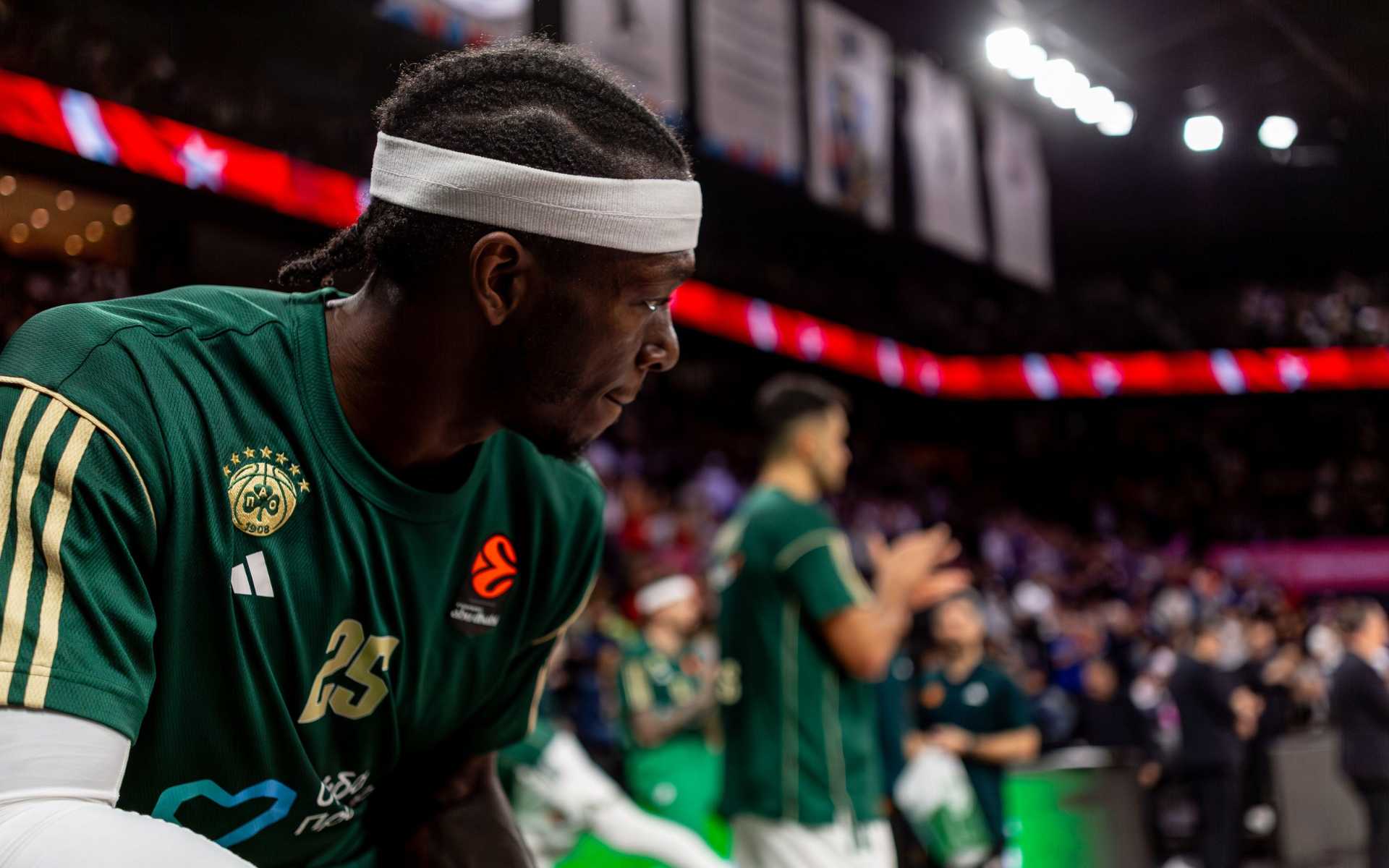
Dragić becoming Miami’s leading scorer didn’t help either. Nor did a change of scenery, as neither the Lakers nor the Wizards committed long‑term. When Washington moved on, Nunn looked east. Panathinaikos in the EuroLeague. A moment that signified a complete shift in his career.
In his first two seasons in Europe, Nunn didn’t just adapt, he dominated. He led the league in free‑throw percentage across a season, set the EuroLeague record for most threes in a single quarter, going 7‑of‑8, and matched Toney Douglas’ record for most points in a quarter with 21.
Most importantly, Nunn reshaped his game to the point where, in his first EuroLeague season, he earned All‑EuroLeague First Team honours and won both the Greek League and EuroLeague titles in 2024.
“It took Nunn a bit of time when he arrived in Europe to adjust to a basketball territory that was alien to everything he knew, completely uncharted for him,” wrote Eurohoops’ Antonis Stroggylakis following Panathinaikos’ championship run.
“EuroLeague basketball is a different beast from the NBA, to get accustomed to defensive schemes, unlike anything he had witnessed before. To adapt to life overseas is a difficult transition.”
Nunn made it look anything but. While his second season brought less team success, it elevated his individual standing even further. He was named to the All‑EuroLeague First Team once again and thrust into elite company by winning the EuroLeague Regular Season MVP, an honour shared by European legends such as Andrei Kirilenko, Luka Dončić, and Nikola Mirotić.
That form earned the point guard the highest‑grossing EuroLeague contract at the time of signing: €13.5 million over three years. A figure far below potential NBA earnings, yet Nunn passed on his NBA exit clause, demonstrating his desire to stay in Greece.
Kendrick Nunn isn’t just proof of that idea. He’s a EuroLeague champion. An MVP. And one of the clearest examples of how reinvention, not redemption, can define a career.