Women's basketball has undergone a transformation few could have predicted, and it all started, as so many great things do, with a college rivalry.
The 2023 NCAA title game between Iowa and LSU, headlined by Caitlin Clark and Angel Reese, drew 9.9 million viewers, the most-watched women's college basketball game in history. Their 2024 rematch in the Elite Eight nearly doubled that figure at 16 million, while the final between Clark's Iowa and South Carolina attracted 18.9 million. Even games without marquee matchups saw a 76% rise in viewership across the tournament. The audience wasn't just there for the stars. It was there for the sport.
Much of the momentum has been branded the "Caitlin Clark effect." Viewership of the WNBA Draft peaked when Clark was selected first overall by the Indiana Fever, and her rivalry with Angel Reese drove measurable increases in both attendance and merchandise sales. Games featuring Clark routinely broke network television records. The effect, it turns out, was less about one player and more about a dam finally breaking.
The commercial surge ultimately reshaped the league's financial landscape. In March of this year, the WNBA and its players agreed to a new Collective Bargaining Agreement (CBA) that finally reflected the sport's growing value. The salary cap increased nearly fivefold to $7 million, charter flights became standard, and the season is scheduled to expand incrementally through 2032.
The figures attached to individual contracts tell the clearest story. A'ja Wilson, widely considered the best player in the league, had previously signed a two-year deal worth $400,000, a number that now reads like a misprint. She has since inked a record-breaking supermax valued at $5 million over three years, the largest deal in WNBA history. Paige Bueckers, the 2025 first overall pick, entered the league earning $83,000; under the new CBA, that rises to approximately $500,000, the same figure incoming rookie Azzi Fudd will earn from day one, more than fivefold Clark's starting salary of $76,355.
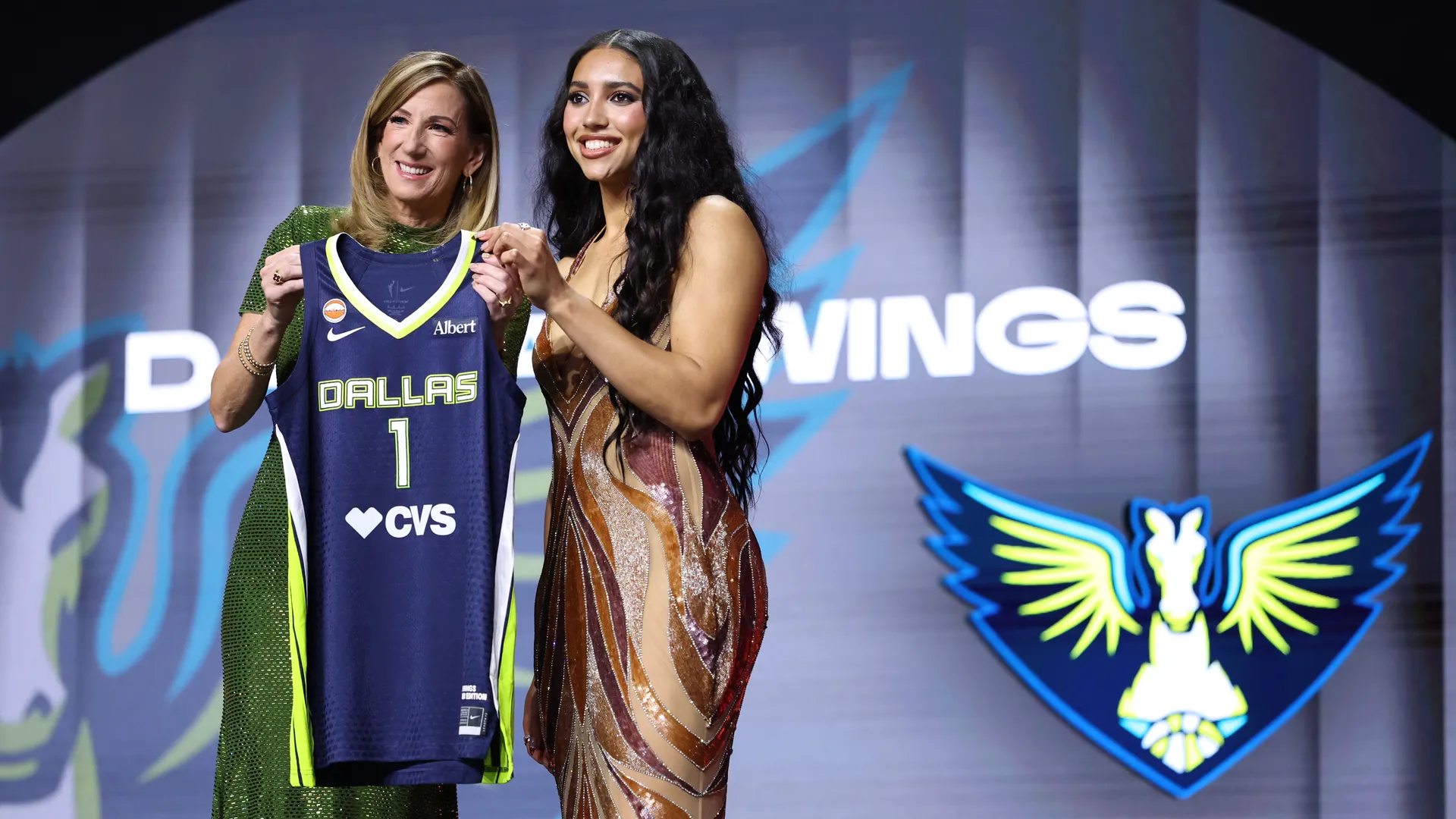
The shift represents far more than a pay rise. It is a structural acknowledgement that women's basketball in the United States has arrived.
Across the Atlantic, the picture looks entirely different. The Women's EuroLeague was founded in 1958, decades before the WNBA existed, making it one of the oldest women's basketball competitions on the planet. You'd think that kind of head start would count for something. And yet, by almost every modern metric of visibility, it barely registers.
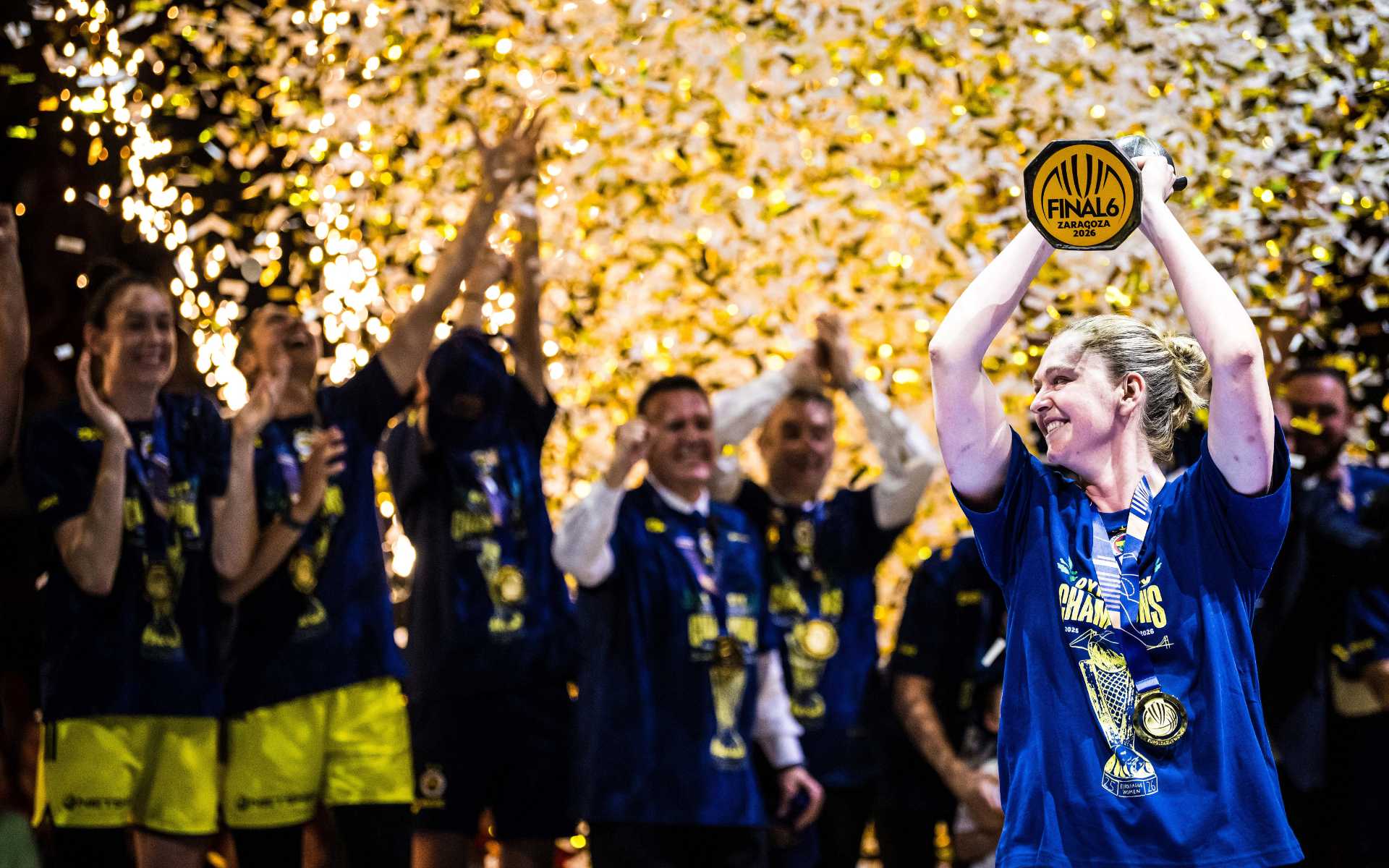
The most dominant force in the league right now is Fenerbahçe Opet of Istanbul, who in late April claimed their third EuroLeague Women title in what became a full-on Turkish affair: an all-Istanbul final against city rivals s, settled 68–55 in Zaragoza. At the centre of it all was Emma Meesseman, the 32-year-old Belgian forward who finished as the game's top scorer with 20 points, 5 rebounds and 4 assists, and in doing so secured her record-breaking seventh EuroLeague title, more than any other player in the competition's modern era. "I love making history," she said after the final. "I come from a small country. When I saw that trophy for the first time, I didn't know if it would ever happen."
Meesseman is, by any measure, one of the best basketball players alive. She won WNBA Finals MVP with the Washington Mystics in 2019, the first European player ever to claim the honour, and has been the EuroLeague's defining figure for the better part of a decade. Her Fenerbahçe teammate Gabby Williams, the French national team star, isn't far behind; she averaged 14.5 points, 5.4 rebounds and 2.8 steals per game this season while collecting Defensive Player of the Year honours for the second year running. Julie Allemand, also Belgian, also at Fenerbahçe, was named Final Six MVP after coming agonisingly close to a triple-double in the final itself.
And then there was Breanna Stewart, the New York Liberty star and two-time WNBA MVP, who joined the club for the Final Six alone while CBA negotiations back home were still unresolved. There is a certain irony to the fact that one of the players leading the charge to raise WNBA salaries and keep American talent stateside ended up in Zaragoza in April, chipping in nine points in the title win. As a collective, the Fenerbahçe side is formidable, and, Stewart aside, largely unknown to the audiences now fuelling women's basketball's biggest-ever boom.
Kahleah Copper, who played alongside Meesseman with the Chicago Sky, once described her as "quiet, just reserved, but on the court, just a silent killer." It's a fitting summary not just of the player, but of the league itself: relentlessly high quality, almost entirely unseen.
Beyond Fenerbahçe, the competition has genuine depth. UConn product Dorka Juhász powered Galatasaray to the final, earning EuroLeague MVP honours along the way, only to be cruelly ruled out of the final itself through injury. Czech club ZVVZ USK Praha, led by Brionna Jones, a force of nature in the paint, made a remarkable run to the Final Six. French side Tango Bourges, widely written off before the season, defied every pre-season prediction. The basketball, in short, is excellent. The audience, not so much.
So why isn't anyone watching?
Part of the problem is structural. Most EuroLeague games are only available via streaming, while the WNBA enjoys widespread television coverage. For North American audiences, who are driving the biggest increases in women's basketball viewership globally, EuroLeague tip-off times frequently land in the middle of the working day. And if you're thinking of signing up for yet another streaming service just to catch a midday game from Zaragoza, the honest answer is: you're probably not going to.
The EuroLeague's off-season positioning, which should theoretically allow top players to compete on both sides of the Atlantic and earn year-round income, has also been complicated by the arrival of Unrivaled, a domestic American competition already through two successful seasons, which has quickly become the default destination for WNBA players during the off-season. It's another competitor for the same pool of stars, and the EuroLeague is losing.
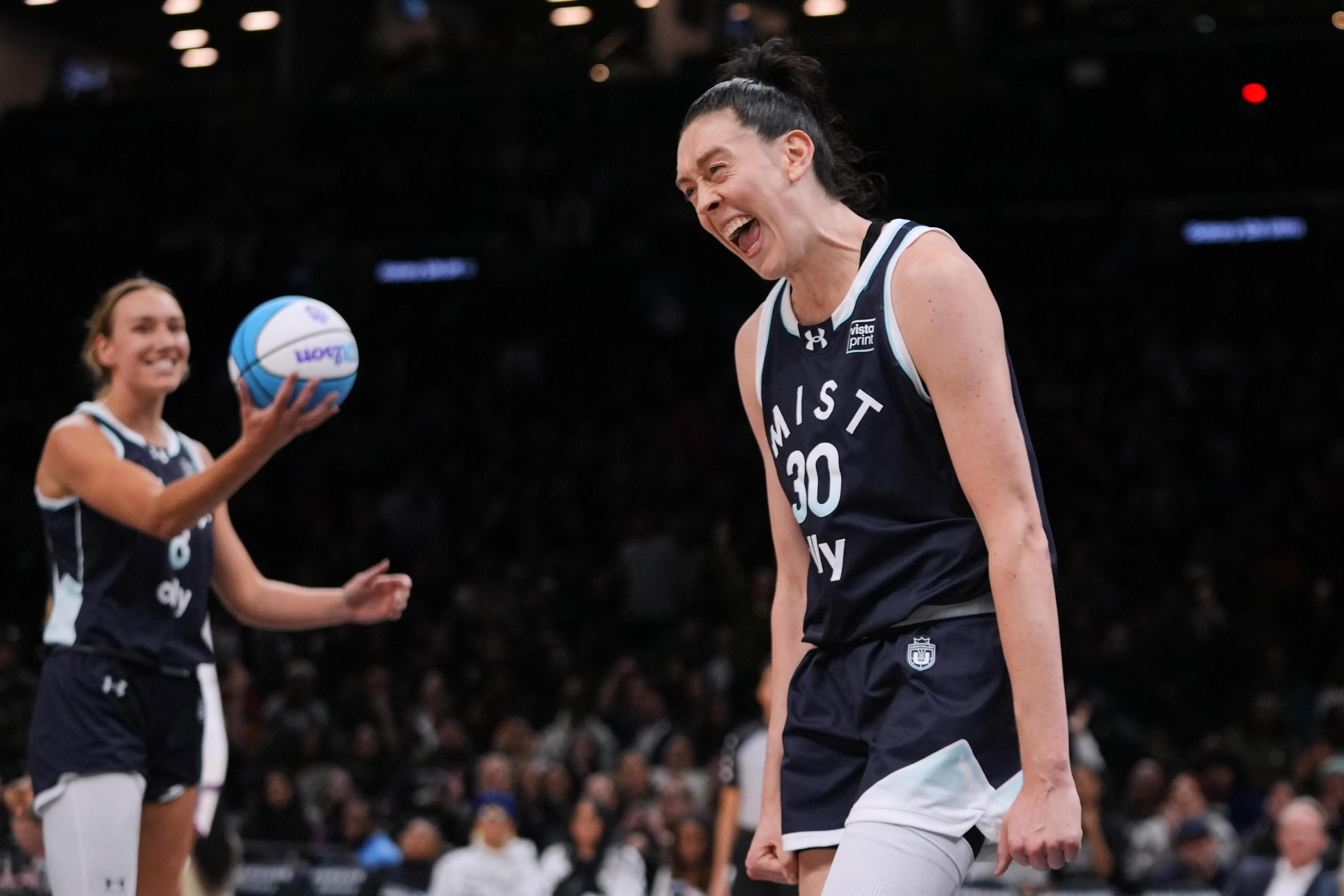
Marketing remains the most glaring gap of all. WNBA franchises have invested heavily in brand-building: Mitchell & Ness recently announced the first batch of retro WNBA jerseys, a meaningful marker of cultural legitimacy. EuroLeague clubs, operating on a fraction of the budget, have virtually no equivalent presence. The strongest basketball cultures on the continent are in Spain, Turkey and Eastern Europe, but even those passionate fanbases can't yet match the scale of North American interest. And without that reach, the stars playing in the competition remain unknown to the very audiences most likely to care.
As a 2023 New York Times investigation noted, international players have long preferred to stay in Europe rather than make the transition to the WNBA, citing everything from international commitments to stylistic adjustment and the difficulty of redefining one's role in a new system. As the Times' Benj Pickman observed, "International players take a different sort of risk… a brief training camp in the run-up to the season isn't much time for an international star to acclimate." With WNBA salaries now rising sharply, that calculation is starting to shift, which may be good news for American audiences and bad news for a European league that has quietly relied on the financial gap to retain its best players.
The Women's EuroLeague will never be football. But it is, genuinely, world-class basketball, played by some of the best athletes on earth, in front of crowds who love the sport. Emma Meesseman just won her seventh title in a competition that most of the world doesn't know exists. That's not a reflection of the quality on offer. It's a marketing problem, a broadcasting problem, and a visibility problem that no amount of good basketball can solve on its own.
What the 2026 CBA will mean for the league's already strained talent pool remains to be seen. But as the WNBA continues to grow, the EuroLeague faces an uncomfortable question: if the sport is finally getting the attention it deserves, why isn't any of it landing here?